Why the Best Airbnb Properties Are Pulling Further Ahead in 2026
Direct Answer
If you're considering a short-term rental investment in 2026, simply owning an Airbnb is no longer enough. As competition has matured, the highest-performing properties increasingly capture the majority of bookings, while average listings often struggle to maintain occupancy. Success today depends on professional operations, thoughtful design, pricing strategy, and guest experience not just location.
What Does the Data Show About Today's Short-Term Rental Market?
The biggest shift isn't that short-term rentals have stopped working.
It's that expectations have changed.
According to AirDNA and Airbnb market reports, new supply surged after the pandemic as investors entered the market. As inventory increased, guests became more selective, rewarding listings with better design, stronger reviews, professional photography, and consistent operations.
Metric | Geography | Timeframe | Source |
|---|---|---|---|
Active Airbnb Listings | United States | Current | |
Occupancy Trends | U.S. STR Market | Current | |
Washington Tourism Data | Washington State | Current | |
Consumer Travel Trends | United States | Current |
What Changed?
During 2020-2022, many properties generated strong revenue simply because travel demand outpaced supply.
By 2023, increased inventory created much stronger competition.
Today, operators who invest in design, automation, maintenance, photography, pricing strategy, and hospitality consistently outperform average listings. That shift mirrors what experienced operators across Washington are seeing firsthand.
Why Are Professional Operators Winning?
One theme came up repeatedly throughout the discussion:
Short-term rentals are hospitality businesses.
Owning a property is only one part of the equation.
Successful operators typically focus on:
- Fast guest communication
- Professional cleaning standards
- Preventative maintenance
- Dynamic pricing
- Strong photography
- Thoughtful amenities
- Consistent guest experience
Guests today compare dozens of listings before booking. Small differences in presentation and operations often determine which properties stay occupied.
Which Property Features Matter Most?
The discussion highlighted several characteristics that consistently help properties stand out.
Unique Architecture
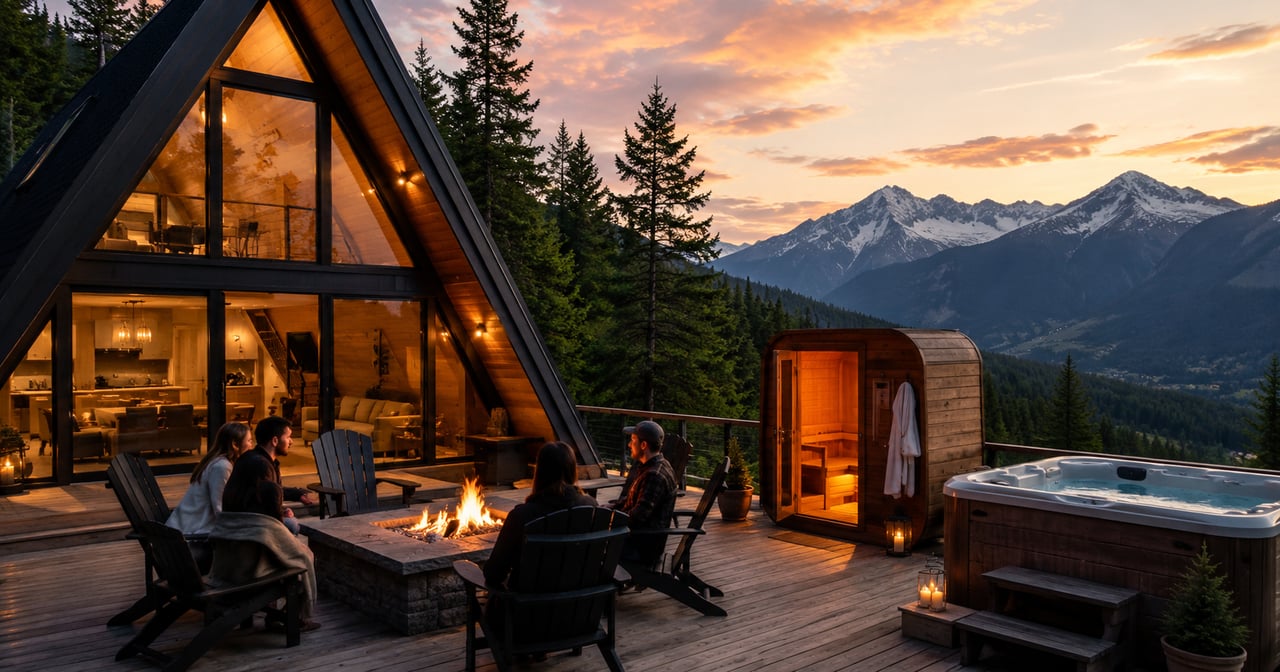
Cabins with distinctive designs such as A-frames, mid-century homes, treehouses, and domes—naturally attract more attention than standard properties.
Outdoor Experience
Amenities increasingly influence booking decisions.
Examples include:
- Hot tubs
- Saunas
- Fire tables
- Cold plunges
- Large windows
- Scenic outdoor spaces
These features help create memorable guest experiences that encourage higher review scores and repeat bookings.
How Important Is Pricing Strategy?
Pricing isn't something operators set once and ignore.
Instead, experienced hosts regularly adjust:
- Base nightly rates
- Minimum stay requirements
- Seasonal pricing
- Promotions
- Last-minute availability
Dynamic pricing tools help, but they still require active oversight.
The goal isn't simply maximizing nightly rates it's balancing occupancy with profitability while maintaining visibility within Airbnb's search results.
Can AI Run an Airbnb?
Not entirely.
One of the more practical takeaways was that AI works best as an assistant—not as a replacement for people.
Examples included:
- Summarizing guest conversations
- Tracking maintenance issues
- Monitoring communication quality
- Organizing daily operational tasks
Guest communication itself still benefits from human oversight, particularly when resolving problems or answering nuanced questions.
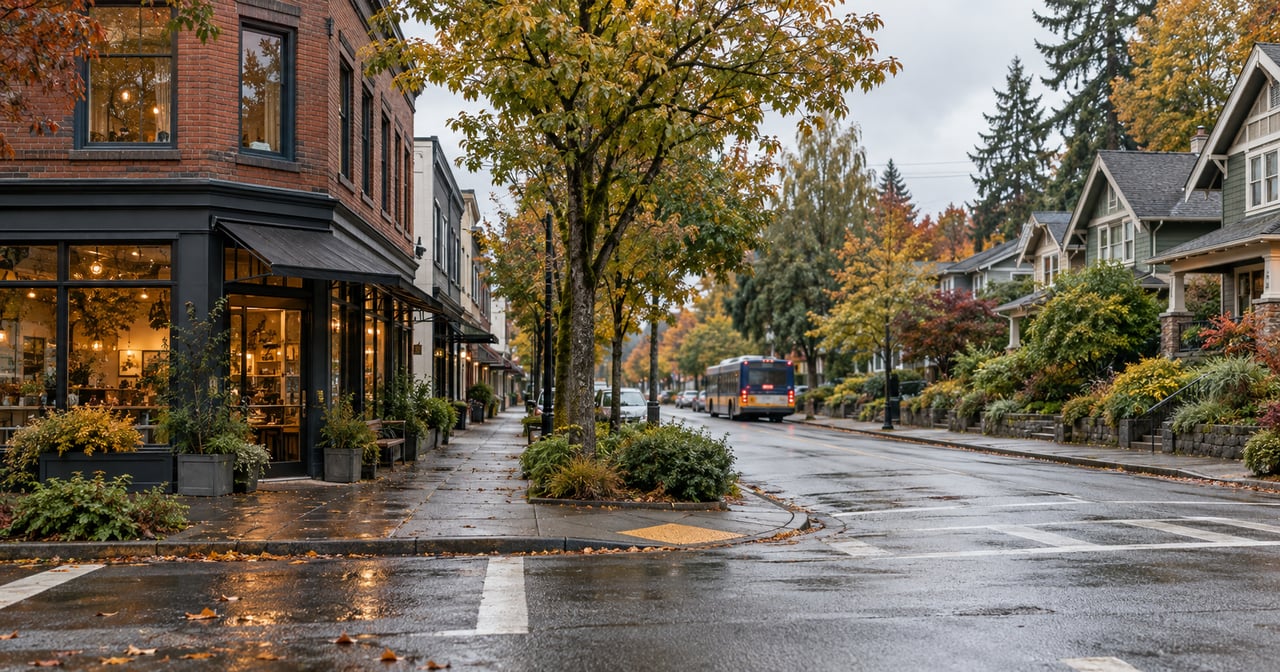
What Are We Seeing Around Seattle?
One observation that stood out during the discussion was the difference between Seattle and Washington's vacation markets.
For mountain destinations like Skykomish, Ashford, Mount Baker, and Highway 2, unique architecture and outdoor amenities continue attracting travelers.
Within Seattle itself, the economics can look different.
Rather than relying solely on premium nightly rates, operators often succeed by:
- Creating highly designed spaces
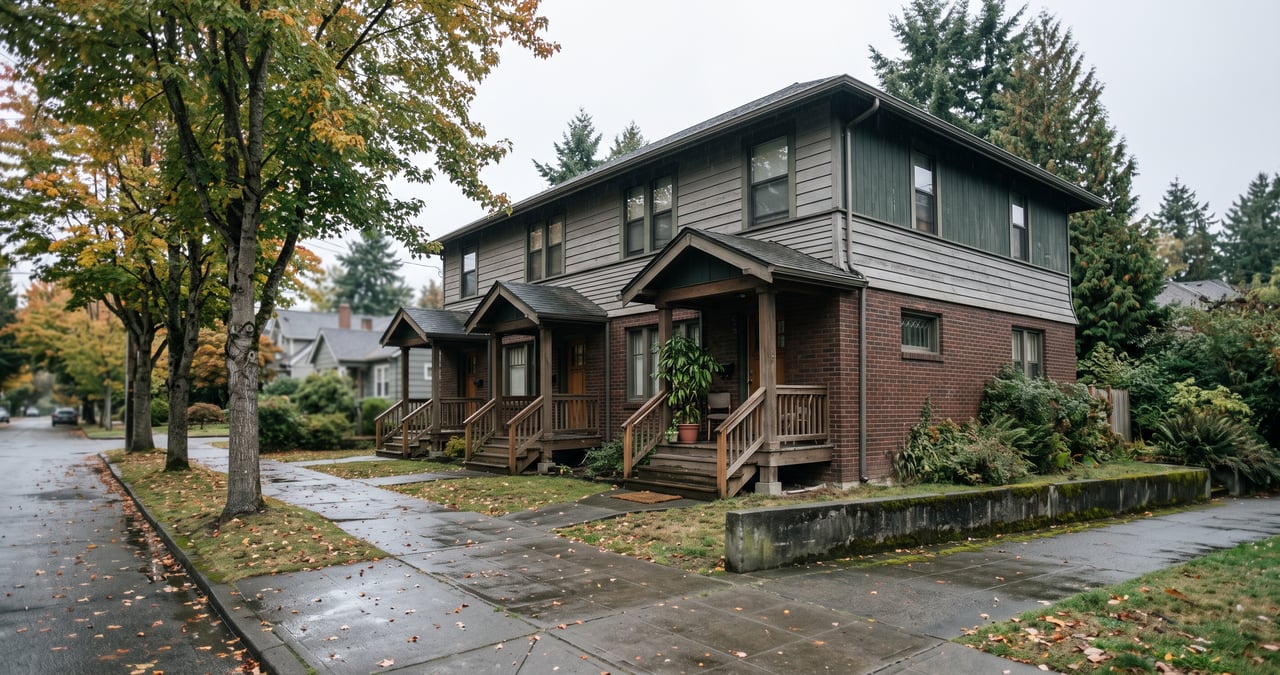
- Optimizing duplexes or multi-unit layouts
- Delivering a polished guest experience
- Carefully evaluating whether short-term rentals outperform long-term rentals for each property
There isn't a one-size-fits-all answer. The property's location, design, operating costs, and intended use all influence which strategy makes the most sense.
Frequently Asked Questions
Are short-term rentals still worth investing in during 2026?
They can be, but success increasingly depends on professional operations rather than simply owning a property.
Is Airbnb passive income?
Not for most owners.
Managing guest communication, maintenance, pricing, cleaning, and reviews requires ongoing attention unless you hire professional management.
What amenities improve Airbnb performance?
Common examples include hot tubs, saunas, attractive outdoor gathering spaces, unique architecture, and high-quality interior design.
Does AI replace Airbnb property managers?
Current AI tools help automate repetitive tasks, but human oversight remains important for guest communication and operational decision-making.
Are Seattle Airbnbs different from mountain cabins?
Yes.
Seattle properties often compete through interior design and efficient layouts, while destination markets frequently benefit from unique architecture, outdoor experiences, and natural surroundings.
Conclusion
The short-term rental market hasn't disappeared it has matured.
As more properties compete for the same guests, operators who invest in design, operations, pricing, and hospitality continue separating themselves from the rest of the market.
For investors, that means evaluating opportunities through the lens of operational excellence rather than assuming every Airbnb will perform similarly. In today's market, execution matters just as much as the property itself.
About the Author
HouseHack Seattle is a Seattle-based real estate education community focused on helping investors and homeowners make informed decisions using local market data and real-world investing experience. Through educational events, interviews with industry professionals, and practical market analysis, HouseHack Seattle explores strategies ranging from house hacking and ADUs to short-term rentals and long-term wealth building. The goal is to provide grounded, data-informed insights that help investors better understand the opportunities and tradeoffs within the Seattle market.