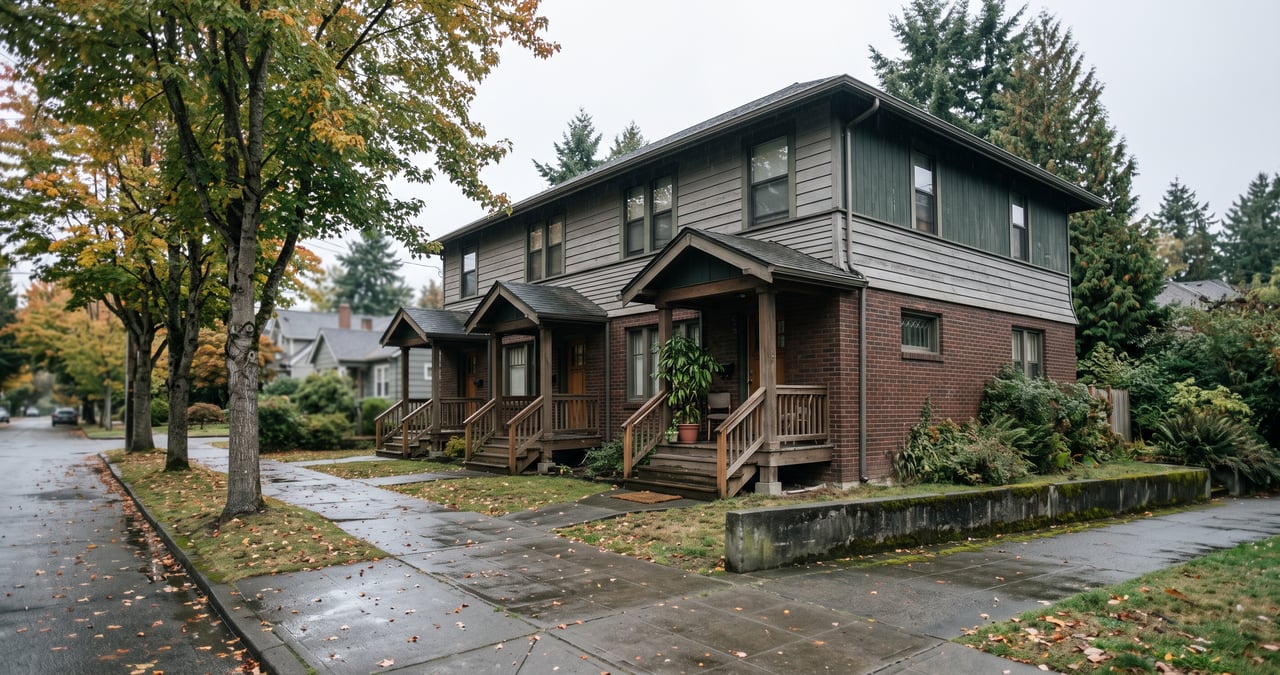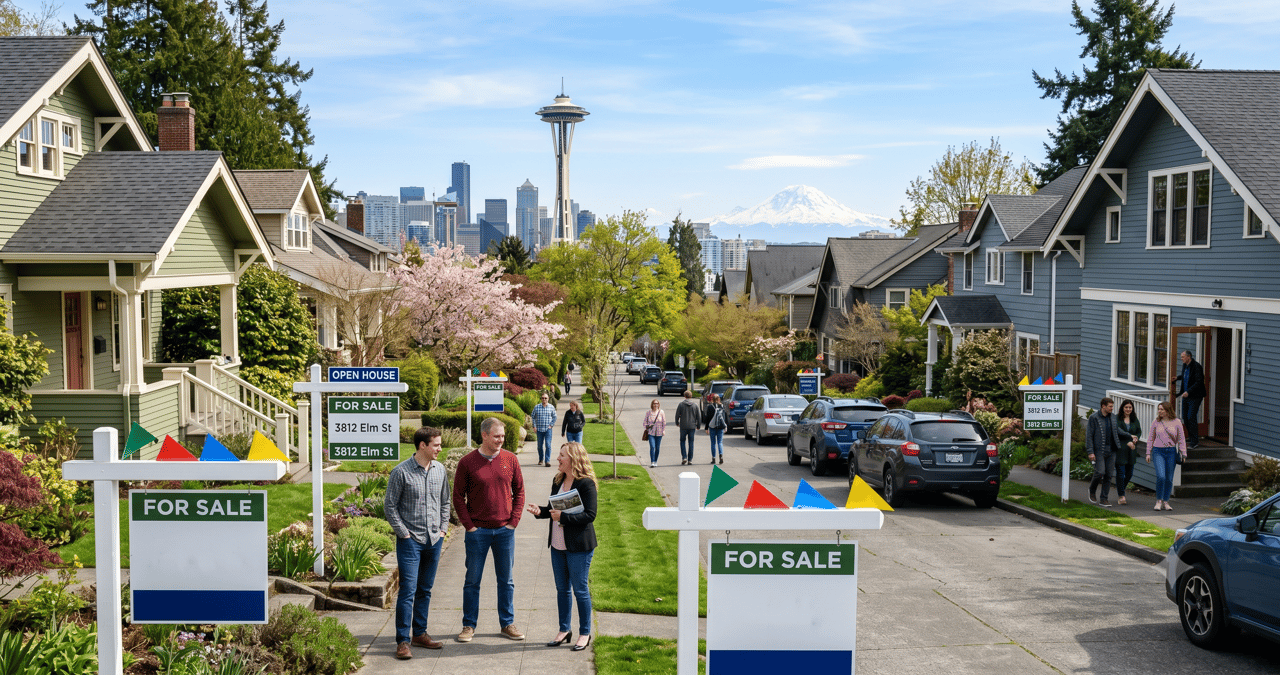
Seattle’s housing inventory is up sharply in 2026, but well‑priced homes in desirable locations are still selling because demand hasn’t vanished. Active listings across the Seattle, Tacoma, Bellevue metro jumped from 5,780 in January to 10,456 in May (fred) yet median days to pending in Seattle remain about eight days (zillow) and the median sale price in the city is roughly $899,975 (nwmls). In other words, more choices and slower market velocity give investors leverage, but attractive properties continue to move.
What the Data Shows
It’s easy to get caught up in sensational headlines. Let’s look at the numbers investors care about.
| Metric | Geography | Timeframe | Data & source |
|---|---|---|---|
| Active listings | Seattle - Tacoma - Bellevue CBSA | May 2026 (vs Apr 2026) | 10,456 active listings in May (up from 8,630 in April) fred |
| Median days on market | Seattle - Tacoma - Bellevue CBSA | May 2026 | Listings spent 36 days on market fred |
| Pending sales | Seattle (NWMLS map area) | May 2026 | 891 pendings, down 6 % year‑over‑year nwmls |
| Closed sales | Seattle (NWMLS map area) | May 2026 | 790 closings, up 3.8 % year‑over‑year nwmls |
| Median sale price | Seattle (NWMLS map area) | May 2026 | $899,975 (2.9 % annual increase) nwmls |
| Months of inventory | Seattle (NWMLS map area) | May 2026 | 3.21 months supply nwmls |
| Median sale price (NWMLS region) | NWMLS service area | May 2026 | $650,000, essentially flat year‑over‑year nwmls |
| 30‑year mortgage rate | U.S. (Freddie Mac) | May 2026 | Rates averaged ~6.53 % nwmls |
| Typical home value | Seattle, WA | Apr 30 2026 | Zillow Home Value Index: $871,599, down 2.5 % YoY zillow |
| Median days to pending | Seattle, WA | Apr 30 2026 | Homes go pending in ~8 days zillow |
What changed and what didn’t
- Inventory spike: Active listings in the Seattle metro more than doubled since January. King County inventory is up roughly 16.8 % year‑over‑year. fred, nwmls
- Pricing resilience: Despite more choices, the median sale price for Seattle homes has edged higher (≈2.9 % YoY). Regionally, prices remain near $650 k. nwmls
- Buyer activity: Pending sales slipped slightly year‑over‑year but rose month‑over‑month. Closed sales in Seattle increased 3.8 %, showing buyers are still transacting. nwmls
- Time on market: Median days on market climbed to 36 days, but Zillow reports median days to pending in Seattle at just eight days a reminder that desirable homes still move quickly. zillow
- Interest rates: Mortgage rates remain above 6.5 %, reducing affordability but also encouraging sellers to price realistically. nwmls
What This Means for Investors
- Leverage has improved: More inventory and longer market times mean investors can negotiate repairs, credits or price reductions. The days of all‑cash, waived‑contingency bidding wars have cooled.
- Focus on fundamentals: Cash‑flow analysis matters more than speculation. Look for properties where rents and ADU/DADU income cover expenses even at today’s rates.
- Plan for higher holding costs: Elevated mortgage rates and longer hold periods require larger reserves. Underwrite deals assuming modest appreciation and stable rents.
- Opportunity in submarkets: In outlying neighborhoods such as White Center, Burien and Shoreline, inventory growth outpaced demand, creating opportunities to buy below peak pricing.
- Creative financing: Seller credits, rate buydowns and assumable low‑rate mortgages are re‑entering the conversation. Explore options to improve cash flow.
What We’re Seeing Locally
In recent HouseHack Seattle group chats and deal analyses, several patterns emerged:
- Quality still wins: A duplex in West Seattle with a permitted DADU received five offers in its first week. Investors who ran the numbers quickly were able to compete.
- Sellers learning to negotiate: A tired duplex in Beacon Hill sat for 30 days. Our member negotiated a 3 % price cut and a seller credit to cover new flooring after inspection.
- ADU/DADU awareness: Investors are increasingly converting basements and garages into legal rental units. This not only improves cash flow but also makes properties more attractive when inventory rises.
- Financing strategies: Several investors are using adjustable‑rate or 5/5 ARM loans paired with 2‑1 buydown credits. With more inventory, sellers are willing to fund these concessions.
These anecdotes underscore that data doesn’t tell the whole story. Local deal flow shows that prepared investors can still find strong house hacks even in a cooling market.
Frequently Asked Questions
Is Seattle inventory really increasing?
Yes. FRED data show active listings in the Seattle metro climbing from 5,780 in January to 10,456 in May. NWMLS reports a 16.8 % annual increase in active listings.
Are Seattle home prices dropping?
Not significantly. The Seattle median sale price rose about 2.9 % year‑over‑year to $899,975. Across the NWMLS region, prices were essentially flat.
How long does it take to sell a home in Seattle now?
Median time on market across the metro is about 36 days, but Zillow reports median days to pending at eight days. Desirable, well‑priced homes still sell quickly.
Does more inventory mean prices will crash?
There’s no evidence of a crash. Increased inventory is bringing the market closer to balance. Buyer demand remains, but pricing is flattening. Investors should underwrite conservatively and avoid expecting rapid appreciation.
Is house hacking still viable in 2026?
Yes. Rising inventory creates more options and negotiating power. With Seattle’s zoning flexibility and ADU/DADU opportunities, it’s still possible to find deals that cash flow especially in neighborhoods outside the city core.
Conclusion
Seattle’s 2026 real estate market is no longer the frenzy of 2021. Inventory has surged, time on market is up and buyers have regained leverage. Yet the data show that homes particularly those that are well‑located, renovated and priced correctly continue to sell. Investors should view this as a shift toward balance, not a collapse. By staying data‑driven, underwriting conservatively and focusing on properties with multiple income streams, house hackers can thrive in this evolving landscape. Conversation beats speculation reach out if you want to discuss specifics in your neighborhood.
Author Bio: Michael Miora is the founder of HouseHack Seattle and an active investor specializing in accessory dwelling units (ADUs) and backyard cottages (DADUs). He has over a decade of experience investing in Seattle’s multifamily market and personally oversees a portfolio of house hacks that include duplexes, triplexes and ADU‑equipped single‑family homes. Michael hosts monthly investor meetups and prides himself on data‑driven decision‑making. His background in finance and building science informs his writing, and he regularly reviews NWMLS, Redfin and public‑data releases to provide clear, actionable insights for investors.