Seattle’s next round of upzoning won’t happen this year, and probably not until late 2027. A state hearings board ruled in September that the City has to redo part of the environmental review behind its growth plan, and the City has until September 9, 2027 to finish that work. No council vote on the new zoning can happen until the board signs off.
If you own a lot in or near one of Seattle’s 30 proposed neighborhood centers, or you’re looking at a property being marketed on “upzone potential,” this matters. Here’s what’s actually in effect, what’s on hold, and what I’d do differently because of it.
What’s in effect today, and what isn’t
Seattle’s growth plan is coming in phases, and it’s easy to blur them together. Here is where things stand.
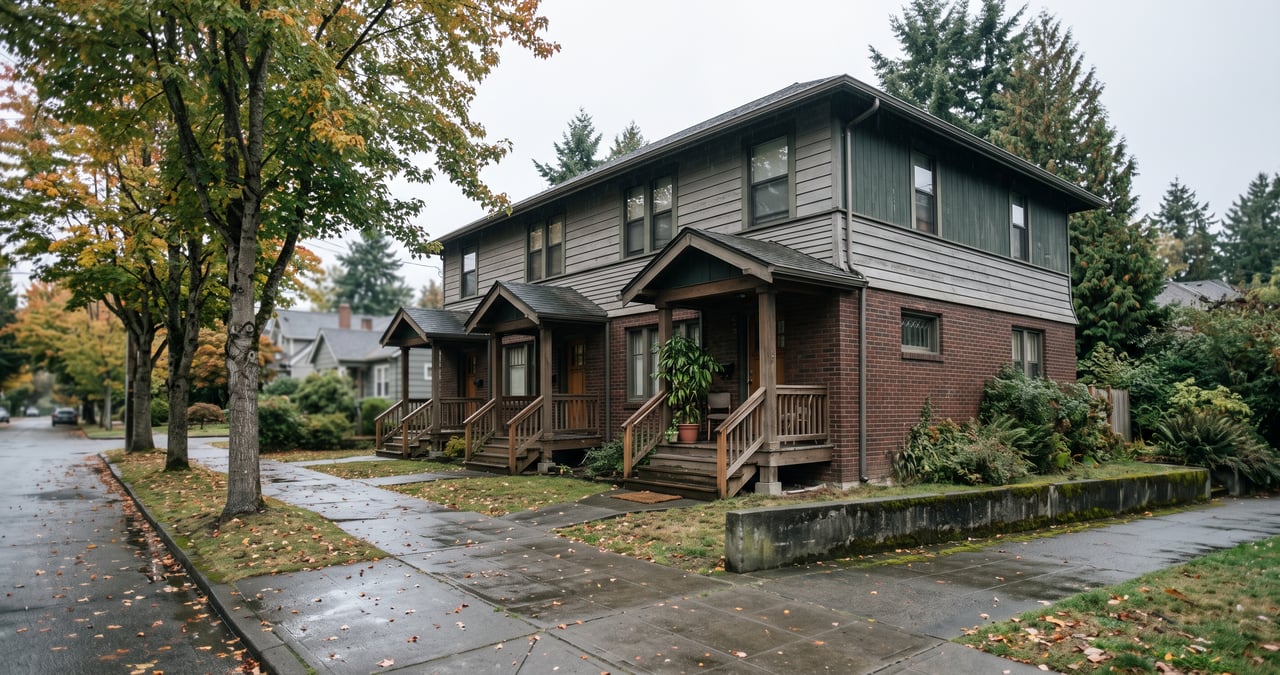
Already law (Phase 1): The City Council adopted the One Seattle Comprehensive Plan update and the permanent middle-housing rules required by state law (HB 1110) on December 16, 2025. Both took effect January 21, 2026 (City of Seattle OPCD). These are the rules that changed what can be built in Seattle’s Neighborhood Residential zones, the zones that used to be called single-family.
Not law (Phase 2): The “Centers and Corridors” legislation was released January 29, 2026 and sent to the City Council (City of Seattle OPCD). It would:
- Rezone land in roughly 30 new neighborhood centers
- Expand several urban centers
- Allow more apartments and condos along frequent transit routes
- Make changes to Lowrise and Midrise development standards
Phase 2 is the part that’s stuck. Nothing in it applies to any lot in Seattle today.
Why it got pushed to 2027
Two legal tracks are holding things up.
Track 1: The state hearings board ruling
On September 9, 2026, Washington’s Growth Management Hearings Board ruled on two appeals against the plan’s final environmental impact statement (EIS). The City mostly won. The board rejected claims that the review understated impacts on tree canopy and stormwater (The Urbanist, September 12, 2026).
But the board found a scope problem. The City had studied the impacts of about 120,000 new homes, the amount it considered likely over 20 years. The board said the City should have studied the full development capacity its zoning changes created, about 162,847 added units. City planners estimate the difference at roughly 42,000 units.
The City has a year to add that analysis. The deadline is September 9, 2027, with a compliance hearing set for later that fall. Until the board approves the updated review, the Council can’t approve new zoning that relies on it (The Urbanist, October 12, 2026).
Michael Hubner, the City’s long-range planning manager, told the Seattle Planning Commission he doesn’t expect the work to wrap up early. He called it “a pretty heavy lift.” He also said the City isn’t changing the plan itself, only adding to the analysis behind it.
Track 2: The city-level appeals
Separately, two appeals filed at the City’s hearing examiner in early 2025 are still alive. In June 2026, the Washington Court of Appeals ruled they could go forward. That ruling is what first stalled Phase 2 this summer. Councilmember Eddie Lin, who chairs the committee reviewing the plan, announced at the time that Phase 2 was “now delayed until 2027” (Seattle City Council).
In July, the Council passed a bill on a 5-4 vote. It removes city-level appeals for areawide rezones and comprehensive plan amendments (The Urbanist, July 29, 2026). Whether that new law ends the two existing appeals hasn’t been decided. Hubner said the hearing examiner could either dismiss them or hear them on the merits, and that the case calendar could stretch into early 2027.
The timeline in one place
Date | What happened | Source |
|---|---|---|
Dec 16, 2025 | Comprehensive plan update and middle-housing rules adopted | |
Jan 21, 2026 | Both take effect | |
Jan 29, 2026 | Centers and Corridors legislation released and sent to Council | |
June 2026 | Court of Appeals revives city-level appeals; Phase 2 delayed to 2027 | |
July 2026 | Council limits future city-level appeals on a 5-4 vote | |
Sept 9, 2026 | Hearings board requires expanded environmental analysis | |
Sept 9, 2027 | Deadline for the City’s updated analysis | |
Fall 2027 | Compliance hearing |
My read is that late 2027 is the earliest realistic window for a council vote. It could be later if the city-level appeals go to a full hearing. That’s an interpretation, not a scheduled date. No vote is on the calendar.
There’s a knock-on effect too. Mayor Katie Wilson has proposed going further than the One Seattle Plan with a “Taller, Denser, Faster” plan. City planners had penciled in possible adoption as soon as late 2027. The Urbanist reports that schedule now looks uncertain.
What this means if you own a lot in a proposed center
Your zoning today is your zoning. What you can build, and what your property is worth as a development site, depends on current rules. A lot inside a proposed neighborhood center is zoned the same way today as it was before the proposal came out.
Proposed zoning can still change. Legislation that hasn’t been adopted can be amended, scaled back, or redrawn before a final vote. The boundaries and zones on today’s proposal map aren’t final.
The rules already in effect may give you more than you think. The middle-housing changes that took effect in January apply now, with no wait for Phase 2. If you’ve been holding off on an ADU, a DADU, or a small middle-housing project because you were waiting on the upzone, look at what’s allowed under current rules first. We walked through some of what changed in How Seattle’s New Zoning Makes More Lots Pencil Out.
If you’re selling, price on today’s rules. It’s tempting to market a lot on what it might become. A buyer who’s done their homework will discount anything that isn’t adopted, and a long delay gives them a reason to.
Check your address yourself. The City has a mapping tool on its Zoning Update website that shows proposed rezones by location (City of Seattle OPCD project documents). Look up both your current zoning and the proposal. Don’t rely on a neighborhood name. Center boundaries are drawn block by block, and two houses on the same street can land on different sides of the line.
What this means if you’re buying a lot marketed on “upzone potential”
This is where I’d be most careful.
Don’t pay today for zoning that doesn’t exist yet. If a listing leans on future density, separate the two values. One is what the lot supports under current rules. The other is speculation about rules that haven’t been adopted, are in active litigation, and can’t come to a vote before late 2027.
Ask the listing agent three questions:
- What zone is the property in today?
- Is the “upzone” claim based on adopted law or on the Centers and Corridors proposal?
- Has anyone run a feasibility check under current rules?
Remember that zoned capacity isn’t buildable capacity. Even after a rezone passes, a lot’s real potential depends on its size and shape, slope, trees, utilities, access, and construction costs. A zoning map tells you what’s allowed. It doesn’t tell you what pencils.
Underwrite the hold. If your plan only works once Phase 2 passes, your model needs to cover holding costs for at least another year, and likely longer. That’s taxes, insurance, and your rate on the financing, with no guarantee the final zoning matches the proposal.
What we’re seeing locally
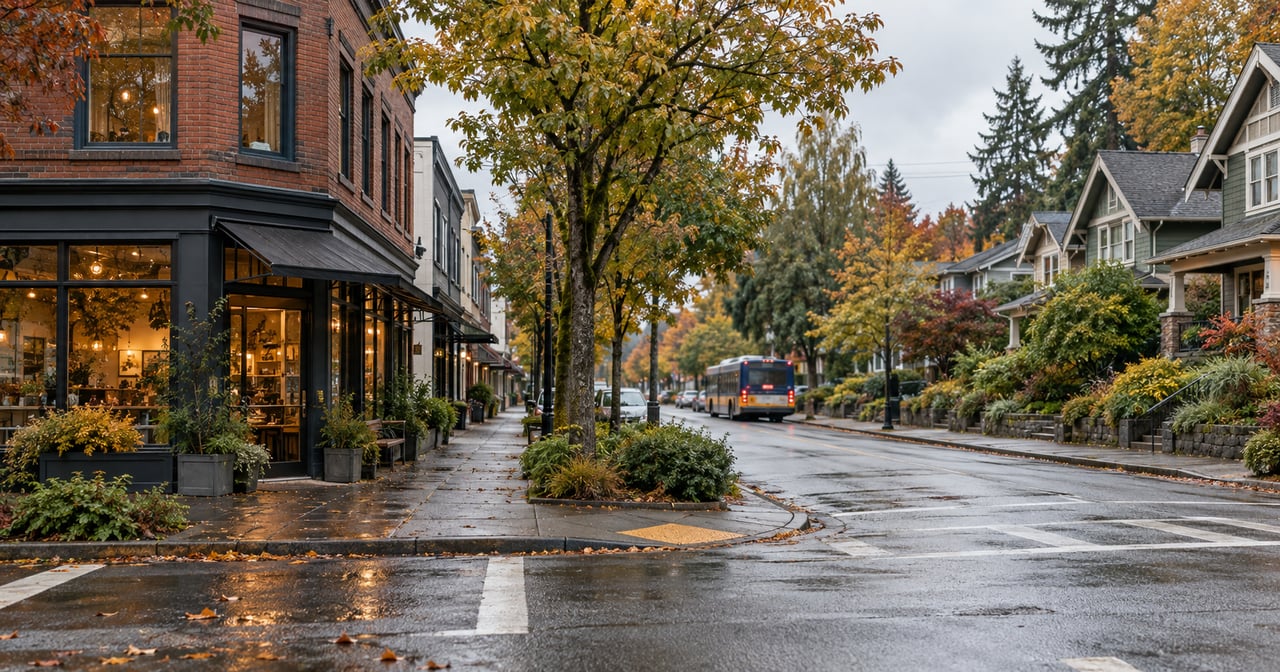
The proposed neighborhood centers cover a lot of familiar ground. Ballard, Fremont, Wallingford, Green Lake, Roosevelt, Crown Hill, Greenwood–Phinney Ridge, Lake City, Admiral, West Seattle Junction, Morgan Junction, Columbia City, Othello, Rainier Beach, North Beacon Hill, and South Park all appear on the City’s growth strategy maps. Check the City’s map for the full list and exact boundaries.
The delay doesn’t change anything about current building rules in those neighborhoods. It extends how long the old rules stay in place for the parcels Phase 2 would have rezoned.
What an experienced Seattle investor should take from this
Here’s my read. It’s my interpretation, not a finding from data.
The delay is a reminder, not a surprise. Seattle upzones have been held up by appeals before. Upzones under the Mandatory Housing Affordability program were delayed more than a year, until 2019. A business plan that depends on a council vote landing on a specific date has always carried this risk.
The middle-housing rules are the real opportunity right now. Phase 1 is in effect and isn’t waiting on anything. For most house hackers and small investors, what’s buildable today under middle housing matters more than what might be buildable in a neighborhood center in 2028.
Delay can cut both ways on price. Some owners who were holding out for the upzone may decide not to wait another year. Other buyers may lose interest in properties marketed on future zoning. I wouldn’t assume either effect without looking at a specific property, but it’s worth paying attention to.
Watch two things over the next year. First, whether the hearing examiner dismisses the city-level appeals under the new law. Second, whether the City stays on track for its September 2027 deadline. Those two dates will tell you more than any headline.
FAQ
Is Seattle’s Centers and Corridors upzone in effect?
No. The legislation was sent to the City Council in January 2026 and hasn’t been adopted. Nothing in it applies to any Seattle property today.
When will it take effect?
There’s no scheduled date. The City has until September 9, 2027 to update its environmental analysis, and a compliance hearing follows later that fall. A council vote can’t happen until after that.
Does this delay affect ADUs, DADUs, or middle housing?
Based on what the City has said, no. The middle-housing rules adopted in December 2025 took effect January 21, 2026 and remain in place. The delay applies to the Phase 2 rezones.
What did the hearings board actually decide?
It upheld most of the City’s environmental review. It found the review too narrow because it studied about 120,000 likely new homes instead of the full capacity the zoning changes created. The City has a year to add that analysis.
Does the delay change the proposed plan?
The City says no. OPCD’s Michael Hubner told the Planning Commission the City isn’t proposing a new plan or amendments because of the ruling. The proposal can still be amended by the Council before any final vote.
How do I find out if my lot is in a proposed neighborhood center?
Use the City’s mapping tool, linked from the One Seattle Plan project documents page. Check both your current zoning and the proposed change.
Should I wait to sell until the upzone passes?
That depends on your property, timeline, and holding costs. There’s no confirmed date for the vote, and the final zoning may differ from the proposal. Talk it through against your specific situation rather than a general rule.
The short version
The next round of Seattle upzoning won’t land before late 2027, and it could take longer. If you own a lot near a proposed neighborhood center, nothing about your zoning has changed. If you’re buying, value the property on the rules that exist today.
The middle-housing rules that took effect in January are the part of Seattle’s plan you can actually use right now. If you’re trying to figure out what your lot supports under those rules, or whether an “upzone potential” listing holds up, you can grab a time with me here.
About the author
Michael Haas is a Seattle-based real estate agent, investor, and short-term rental host, affiliated with Compass. He runs HouseHack Seattle, where he works with buyers, homeowners, and investors on house hacking, ADUs and DADUs, small multifamily, and property analysis across Seattle and the greater Puget Sound region.
This article describes the status of Seattle’s zoning legislation and related legal proceedings as of October 16, 2026. It is not legal, tax, or investment advice. Zoning, permitting, and development feasibility depend on the specific property. Confirm current rules with the City of Seattle and a qualified professional before making decisions.