ADU vs DADU in Seattle: Which One Actually Makes More Money?
If you own property in Seattle, you’ve likely heard that adding an ADU or DADU can significantly increase rental income. But when you look past the headlines and into real numbers, the answer to “Which one makes more money?” isn’t universal.
The better option depends on cost, rent, lot constraints, and your goals whether you’re a homeowner seeking supplemental income or an investor focused on long-term returns.
This article compares ADUs and DADUs using Seattle-specific rules, realistic cost ranges, and market rent data, with sources linked throughout so you can verify the information yourself.
Important note: All figures below are examples based on publicly available data and common project ranges as of 2025. Actual results vary by site, design, and financing. Always confirm details with licensed professionals and the City of Seattle before making decisions.
What’s the Difference Between an ADU and a DADU?
ADU (Accessory Dwelling Unit)
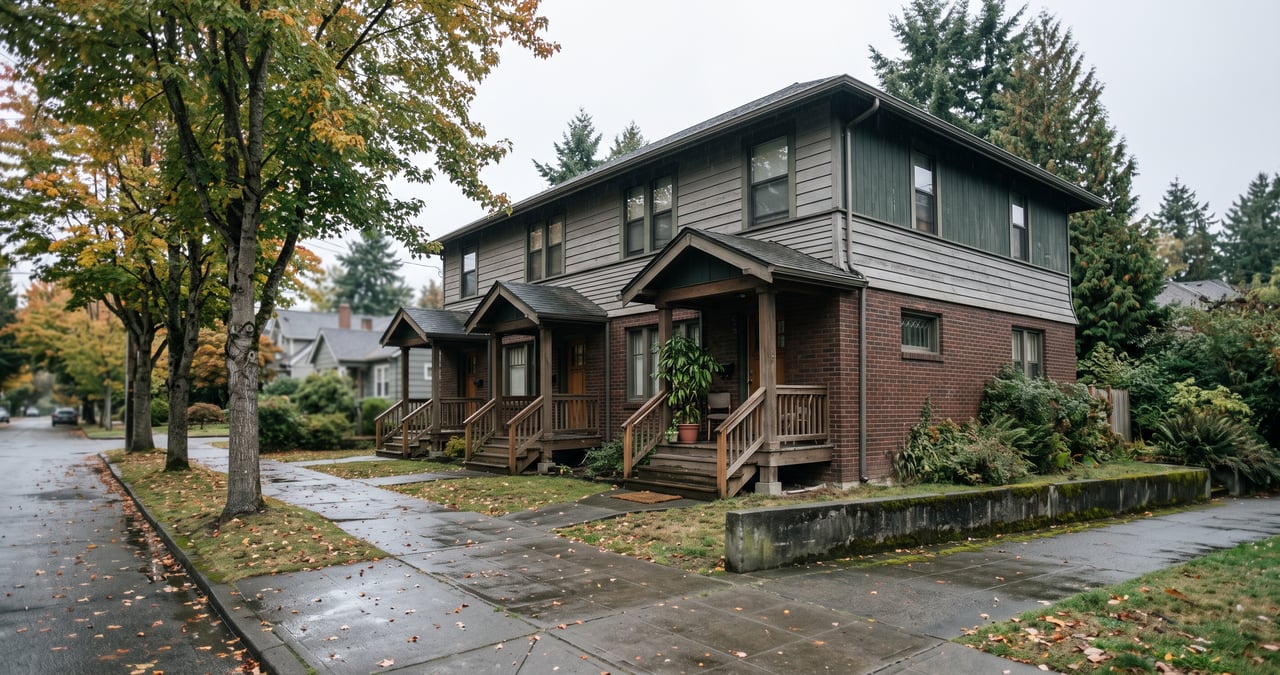
An ADU is attached to or located within the main home. Common types include:
-
Basement apartments
-
Garage conversions
-
Additions attached to the primary house
DADU (Detached Accessory Dwelling Unit)
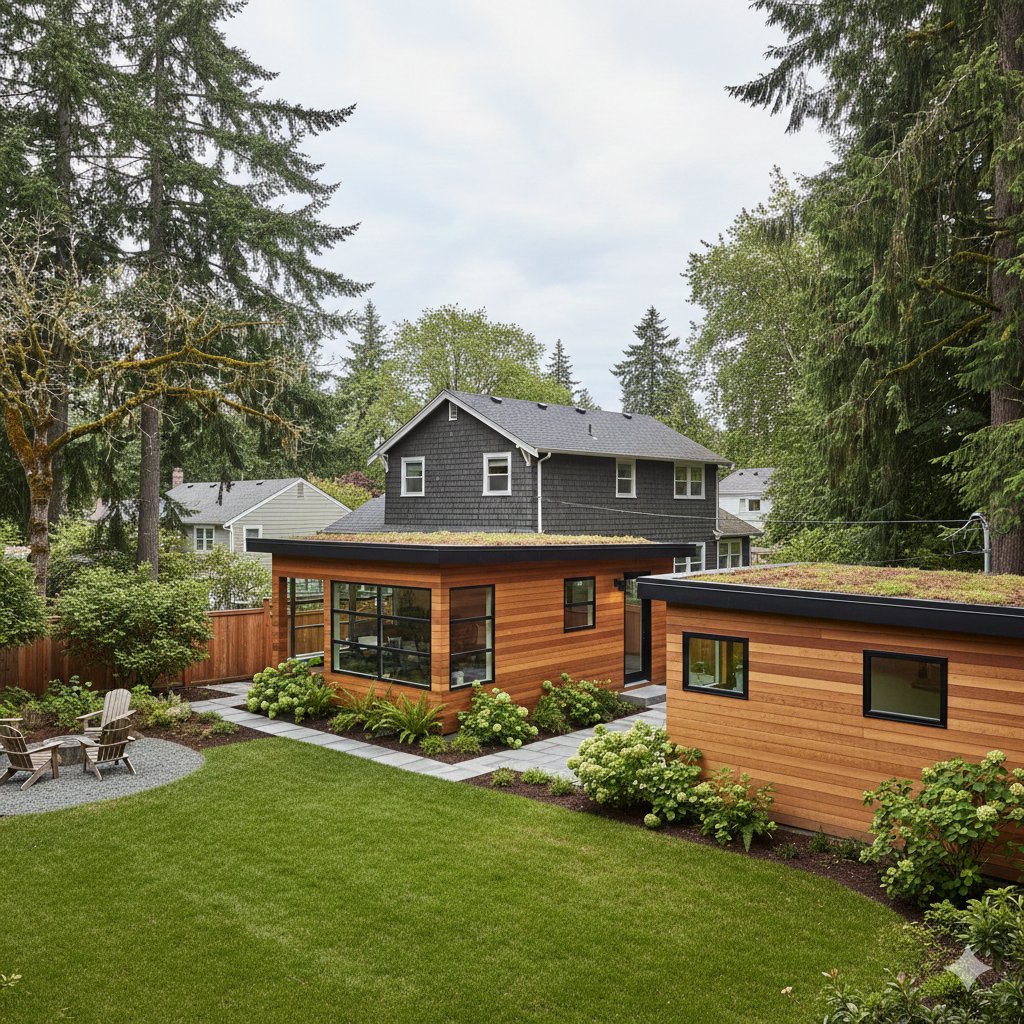
A DADU is a stand-alone backyard cottage, separate from the main house, with its own entrance and structure.
In Seattle, both are legal on most single-family lots, subject to zoning and development standards set by the city.
Seattle Rules That Matter Most (Not the Myths)
According to the City of Seattle’s official guidance from Seattle Department of Construction and Inspections (SDCI):
-
Most residential lots can have up to two accessory dwelling units
-
ADUs and DADUs generally have similar maximum size limits
-
Owner-occupancy is not required
-
Parking is not required in most cases
-
Height, setbacks, and lot coverage rules can affect feasibility, especially for DADUs
Because rules can change and lot conditions vary, SDCI remains the final authority on what you can build.
Build Cost Ranges (Typical, Not Guaranteed)
Construction costs vary widely based on design, utilities, access, and finishes. The ranges below reflect common Seattle outcomes, not promises.
| Item | ADU (Attached / Conversion) | DADU (Detached) |
|---|---|---|
| Typical build cost | Lower | Higher |
| Foundation required | Often no | Yes |
| Utility runs | Shorter | Longer |
| Design complexity | Lower–moderate | Moderate–high |
| Total cost range (very broad) | Lower six figures | Mid to high six figures |
Why DADUs cost more:
They require separate foundations, roofing, exterior walls, and longer utility connections even when unit size is similar.
Rent Comparison: ADU vs DADU in Seattle
Market rent data from Zillow and Zumper shows that detached units often command a premium, largely due to privacy and separation from the main home.
Typical patterns seen in Seattle neighborhoods:
-
ADUs rent well, especially basement or garage units in high-demand areas
-
DADUs often achieve higher rent per month for similar square footage
-
Tenant demand is strongest for units with:
-
Private entrances
-
Dedicated outdoor space
-
No shared walls
-
These are market tendencies, not guarantees, and depend heavily on neighborhood and finish quality.
Example ROI Scenarios (Illustrative Only)
The scenarios below are examples designed to show how outcomes can differ. They are not projections or financial advice.
Scenario 1: Lower-Cost ADU
-
Lower upfront cost
-
Moderate rent
-
Faster payback period
-
Often preferred by homeowners funding construction with cash or HELOCs
Scenario 2: Mid-Range ADU Addition
-
Higher cost than conversion
-
Strong rent performance
-
Balanced approach between cost and income
Scenario 3: DADU Backyard Cottage
-
Highest upfront cost
-
Higher monthly rent
-
Longer payback period
-
Often favored by long-term investors focused on durability and resale value
Key takeaway:
-
ADUs often win on speed to cashflow
-
DADUs often win on rent strength and long-term value
So… Which One Actually Makes More Money?
The honest answer: it depends on what “more money” means to you.
ADUs tend to win if:
-
You want lower upfront cost
-
You want income sooner
-
You’re a homeowner prioritizing risk control
DADUs tend to win if:
-
You’re focused on higher rent over time
-
You value privacy for tenants
-
You’re thinking long-term hold or resale appeal
Neither is “better” in every case.
Homeowners vs Investors: Choosing the Right Path
For Homeowners
-
ADUs are often simpler and less disruptive
-
Financing may be easier
-
Lower risk if plans or budgets change
For Investors
-
DADUs can behave more like stand-alone rentals
-
Often stronger tenant demand
-
May support higher long-term valuations
Accuracy, Timing, and Verification
-
All zoning and permitting references are based on information from Seattle SDCI
-
Rent figures reflect market averages, not guaranteed income
-
Property taxes are assessed by King County Assessor based on total property value after construction
Before proceeding:
-
Confirm zoning with SDCI
-
Speak with a designer or architect
-
Review numbers with a lender and tax professional
Sources & References (Verify Anytime)
There’s no single “right” answer when it comes to ADUs versus DADUs in Seattle only what makes the most sense for your specific situation. An ADU may offer a faster path to rental income with lower upfront cost, while a DADU can deliver greater privacy and stronger long-term rent potential. The key is understanding how Seattle’s rules, construction realities, and local rental demand intersect on your lot. If you’re considering adding an accessory dwelling unit, the most valuable next step is often gaining clarity on what’s realistically buildable and financially viable for your property, rather than focusing on averages or assumptions. With accurate information, you can make decisions confidently and avoid costly missteps.
📲 Follow us for the latest real estate tips, market updates, and exclusive listings!
Join 1,000+ other investors at the largest & most active HouseHacking Meetup in WA State! Whether you've never bought a home or are a seasoned investor, this meetup group will equip you with the tactics, tools, and connections needed to excel as a real estate investors in Washington State. Topics include HouseHacking, DADU's & Development, "BRRRR", Short Term (Airbnb) rentals, Long Term rentals, Flipping, Property Management, & Wholesaling. It's ok if some (or all!) of those terms are unfamiliar to you; all experience levels are welcome. Whether you're a new investor looking to House Hack your very first property, or a seasoned investor running a half dozen projects at a time, this group is for you. Click here
📌 Instagram: @househackseattle
📌 Facebook: HouseHack Seattle